

Six Senses is expanding its footprint in China with the signing of Six Senses Beijing, a new luxury urban retreat set to open in the capital’s Haidian District. Developed in partnership with Beijing Zhongguancun Avenue Construction & Development Group, the project forms part of the wider regeneration of Liulangzhuang, an area fast emerging as a hub for cultural programming and international exchange.
Positioned within the storied Three Hills and Five Gardens heritage landscape, an area closely linked to the iconic Summer Palace and the imperial retreats of the Qing dynasty – the property aims to blend historical legacy with contemporary wellness-driven hospitality.
Neil Palmer, Chief Operating Officer of Six Senses, emphasized the significance of the location: the brand continues to prioritize destinations with strong cultural narratives, and Beijing’s layered history provides an ideal setting for a retreat designed around reconnection and regeneration. The project will contribute to the revitalization of Liulangzhuang while offering guests an immersive experience rooted in the spirit of the city.
The upcoming hotel will mark Six Senses’ second property in Greater China, joining Six Senses Qing Cheng Mountain. Globally, the brand continues to expand across both remote destinations and major cultural capitals, including Rome, Kyoto, and London, while maintaining its core philosophy of wellness, sustainability, and meaningful guest experiences.
Cheng Yue, Chairman of Beijing Haidian Urban Renewal Development Co., Ltd., highlighted the collaborative vision behind the project, noting a shared commitment to delivering a destination that prioritizes quality, sustainability, and long-term value for the city.
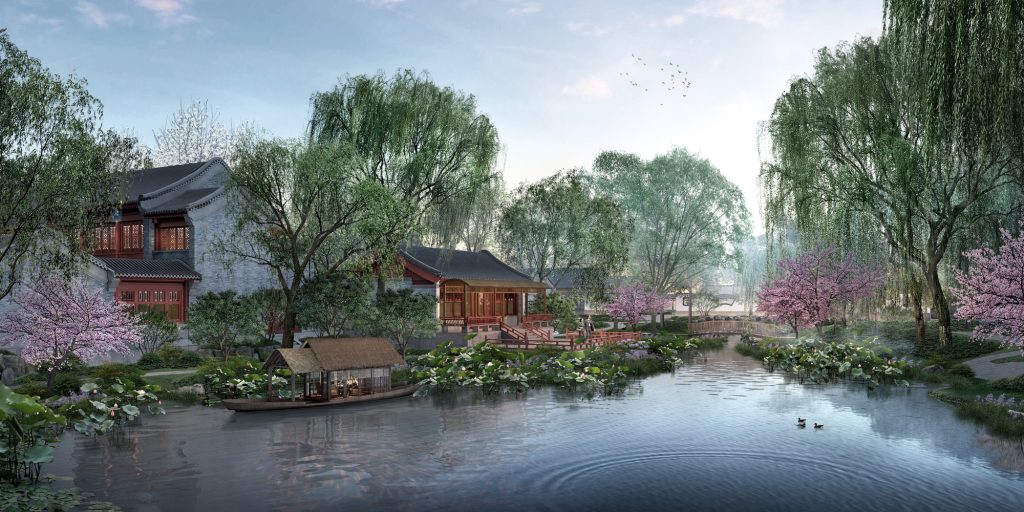
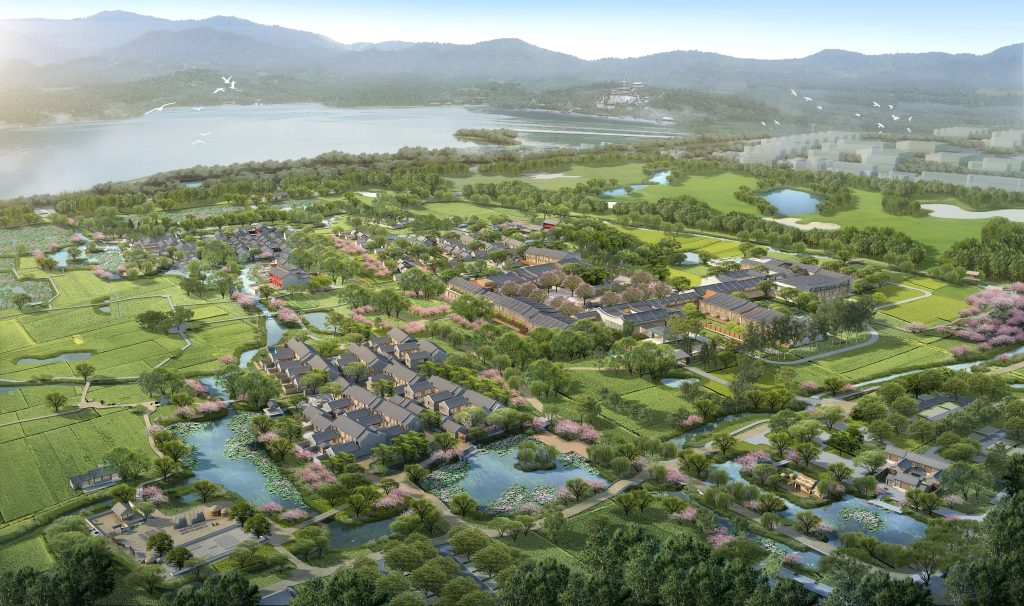

Set on land once used as imperial rice paddies supplying the royal court, Six Senses Beijing will incorporate waterways and lotus ponds that echo traditional village life. The design reflects the brand’s regenerative philosophy going beyond sustainability to actively restore and enhance local ecosystems and cultural heritage.
The property will feature 75 guest rooms and suites, ranging from one to four bedrooms. Drawing inspiration from traditional siheyuan courtyard homes, the design will reinterpret historic architecture through a contemporary lens. Interiors will emphasize calm, nature-led aesthetics, while select accommodations will include private gardens, boat jetties, or shared courtyards shaded by magnolia trees. Hutong-style pathways will connect buildings across two integrated sites.
A distinctive feature of the property will be its water-based layout. A boat pier will link the arrival lounge with key resort facilities, many of which will sit directly on the water. Light-filled pavilions will host dining experiences that merge historic Chinese design elements with modern architectural lines.
A standout offering includes a two-story private residence designed for exclusive events, accessible by both boat and private drive adding a unique dimension to gatherings and celebrations.
Wellness will remain central to the Six Senses experience, with a range of personalized offerings tailored to individual guest needs. Programs will include wellness screenings, biohacking therapies, and the brand’s signature Sleep With Six Senses concept.
These experiences combine scientific innovation with holistic practices and ancient wisdom, allowing guests to engage at their own pace whether through immersive multi-day programs or restorative spa treatments.
Signature brand features such as the Earth Lab and Alchemy Bar will also be incorporated. The Earth Lab will host interactive workshops focused on sustainable living practices, while the Alchemy Bar will invite guests to create their own botanical blends and spa products, highlighting the healing properties of natural ingredients.
With Six Senses Beijing, the brand brings its signature ethos of sustainability, wellness, and cultural immersion to one of China’s most historically significant landscapes—redefining urban hospitality through a lens of restoration and reconnection.