
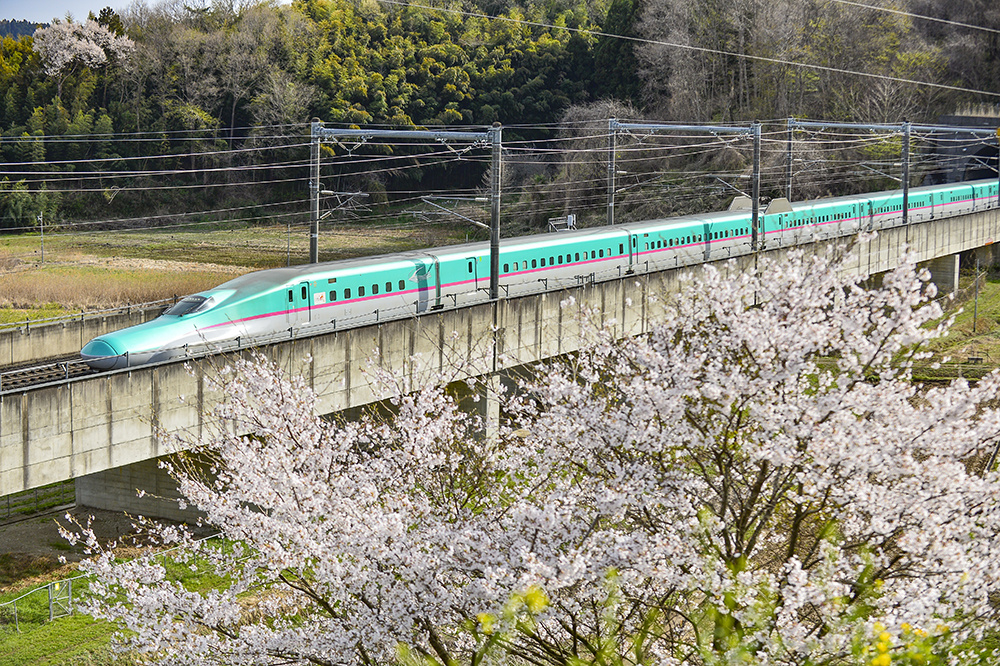
International travelers looking to go beyond Japan’s well-trodden routes now have a compelling new reason to head north. East Japan Railway Company (JR East) has unveiled an expanded version of its popular JR EAST PASS, designed to unlock seamless travel across eastern Japan including deeper access into the often-overlooked Tohoku region.
Available from March 14, 2026, the newly consolidated pass replaces the previous JR EAST PASS (Tohoku area) and JR EAST PASS (Nagano, Niigata area), combining them into a single, more versatile offering. The move reflects growing global interest in Japan while addressing a longstanding imbalance in visitor distribution particularly in Tohoku, which currently accounts for just 1.5% of overnight stays by inbound travelers. JR East aims to raise that figure to 5% by 2034 by making regional travel more accessible and appealing.
The revamped JR EAST PASS offers unlimited access to reserved seats in ordinary cars across all JR East lines. This includes Shinkansen (bullet trains), limited express, express, rapid, and local services. The pass also extends to select partner railways such as the Tokyo Monorail, improving connectivity between airports and key destinations.
Travelers can choose between two options:
- 5 consecutive days: ¥35,000 (Child: ¥17,500)
- 10 consecutive days: ¥50,000 (Child: ¥25,000)
- Adult: 12 years and older / Child: 6–11 years old
More details are available here: https://www.jreast.co.jp/en/multi/pass/eastpass.html
Unlocking the Appeal of Tohoku
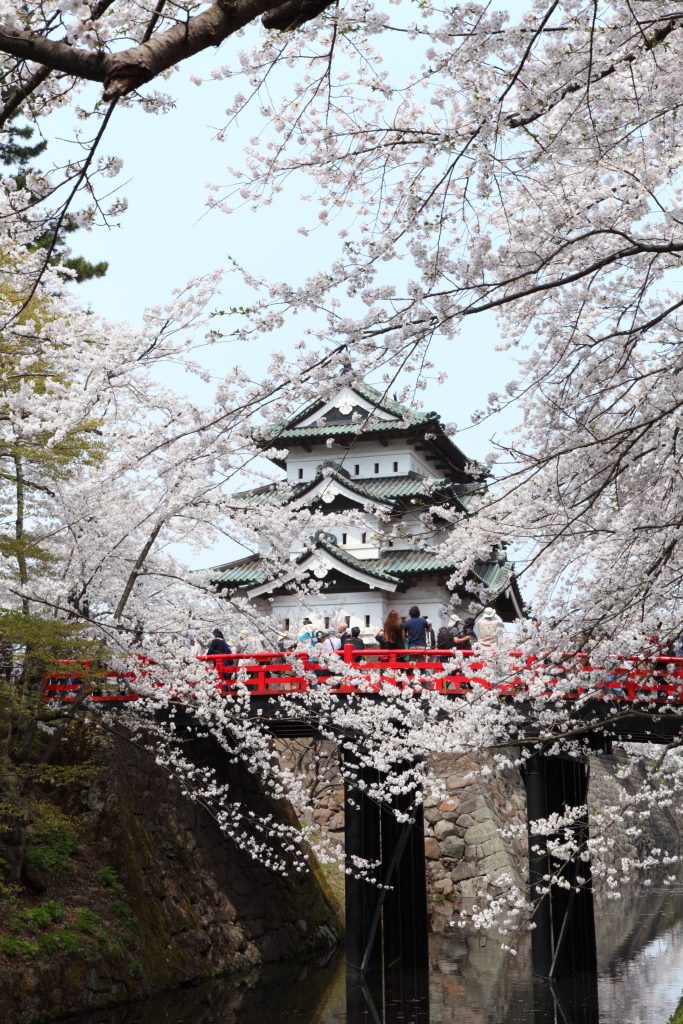
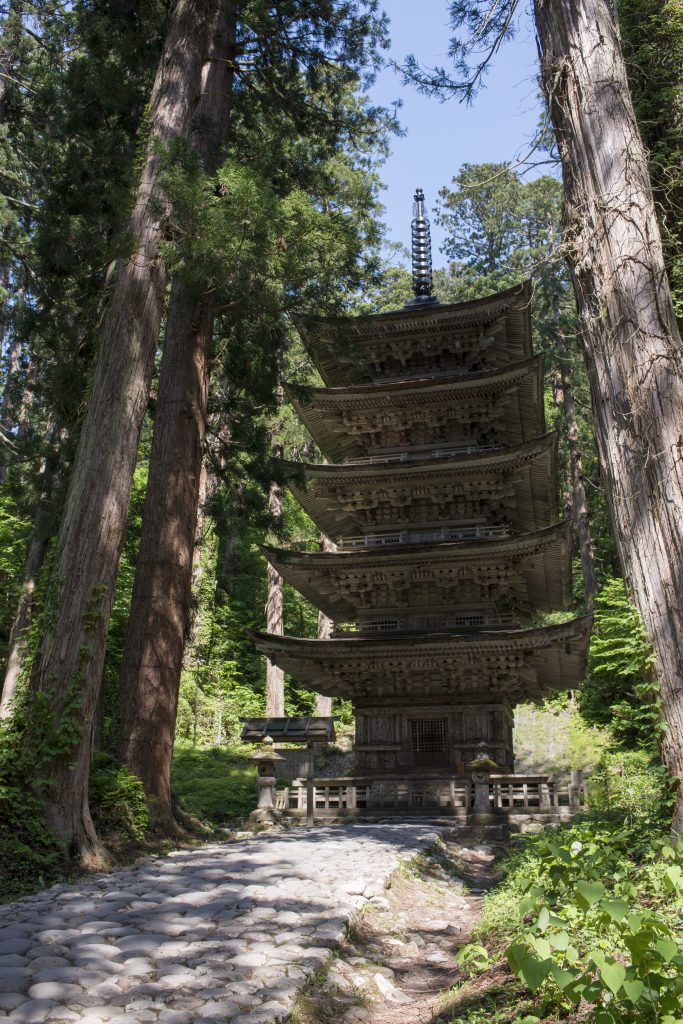
Long overshadowed by destinations like Tokyo and Kyoto, Tohoku comprising six prefectures in northern Honshu is steadily emerging as a year-round destination rich in natural beauty and cultural depth.
With the expanded pass, travelers can easily craft multi-region itineraries that extend far beyond the capital:
- Spring: Follow the cherry blossom trail north to iconic spots such as Miharu Takizakura in Fukushima and Hirosaki Park in Aomori.
- Summer: Escape Tokyo’s heat for Tohoku’s cooler coastlines and mountain towns, while experiencing vibrant festivals like the Aomori Nebuta Festival and Sendai Tanabata Festival.
- Autumn: Discover vivid fall foliage across mountainous landscapes.
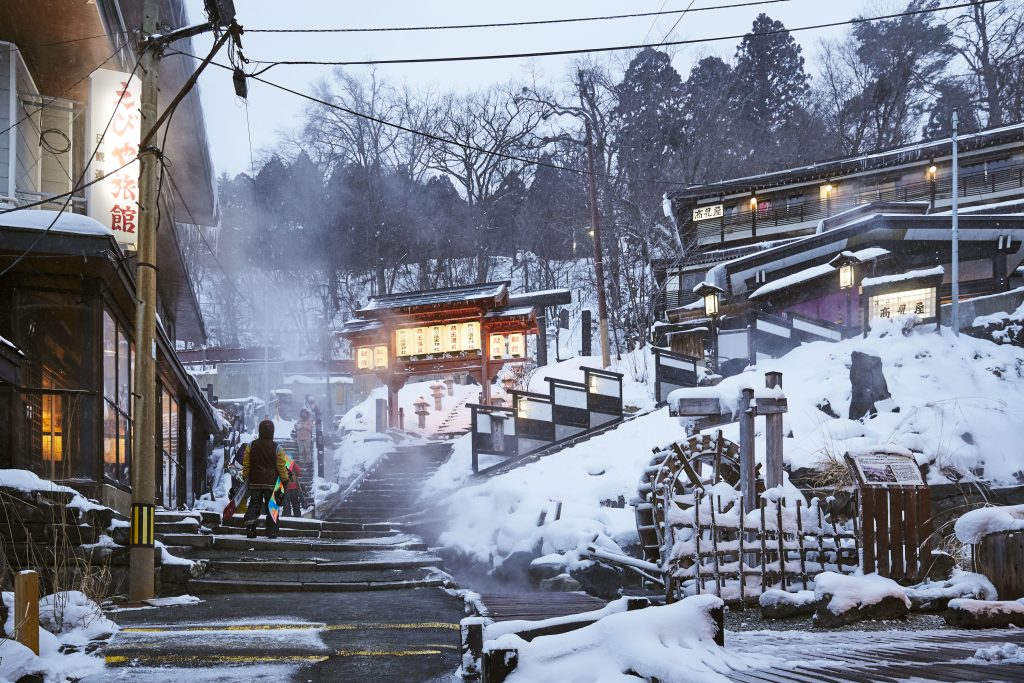
- Winter: Access renowned powder snow destinations such as Zao Onsen in Yamagata and Appi Kogen in Iwate.
The unified JR EAST PASS also retains access to popular destinations across eastern Japan, including: Nagano – known for alpine scenery and winter sports, Niigata – famous for coastal landscapes and sake breweries, Greater Tokyo area – including Gunma, Kanagawa, and Chiba, Parts of Shizuoka – offering hot springs, coastal escapes, and mountain retreats.
With expanded northern coverage, travelers can now journey from Tokyo to cities like Aomori, Akita, and Sendai without needing multiple tickets significantly reducing both cost and logistical complexity. Reserved seating further enhances comfort, particularly during peak travel seasons.
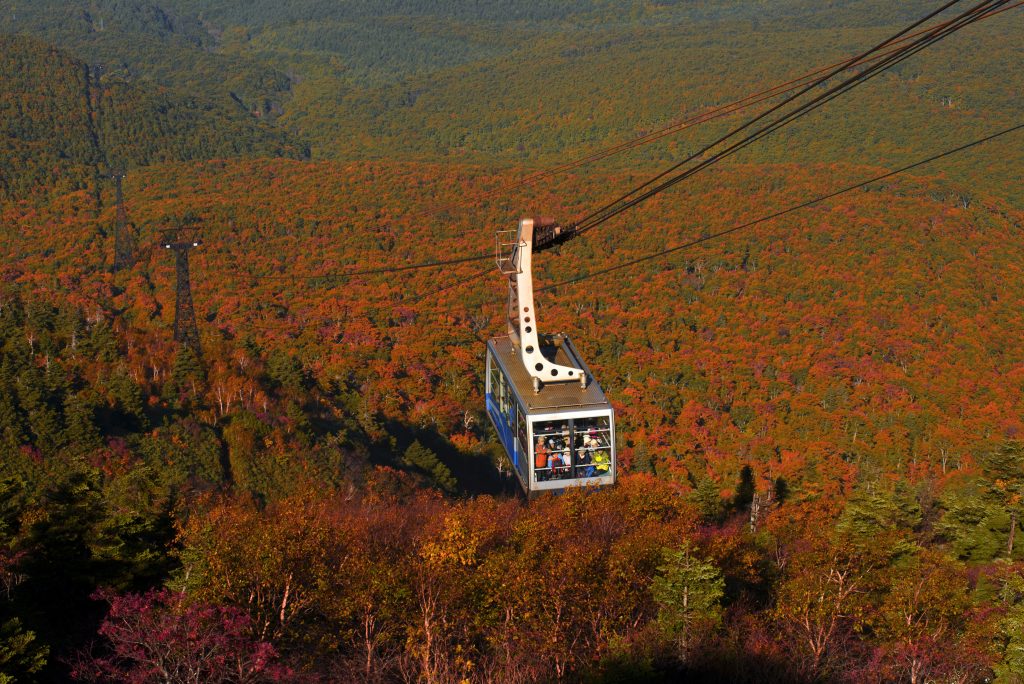
The expansion is part of JR East’s broader strategy to encourage more balanced tourism distribution across Japan, easing pressure on major cities while supporting regional economies.
Ayumi Utagawa, Project Manager at JR East, noted:
“As global interest in Japan continues to rise, we want to support more balanced tourism growth and sustainable regional revitalization. The JR EAST PASS removes barriers to deeper exploration, allowing travelers to experience the full richness of regional Japan from its metropolises to rural communities, onsen towns, and expansive landscapes.”
She added that while the region offers exceptional seasonal experiences, it remains underrepresented in many international itineraries.
“We sincerely hope travelers will discover a side of Japan that is still unknown to many through the JR EAST PASS.”