

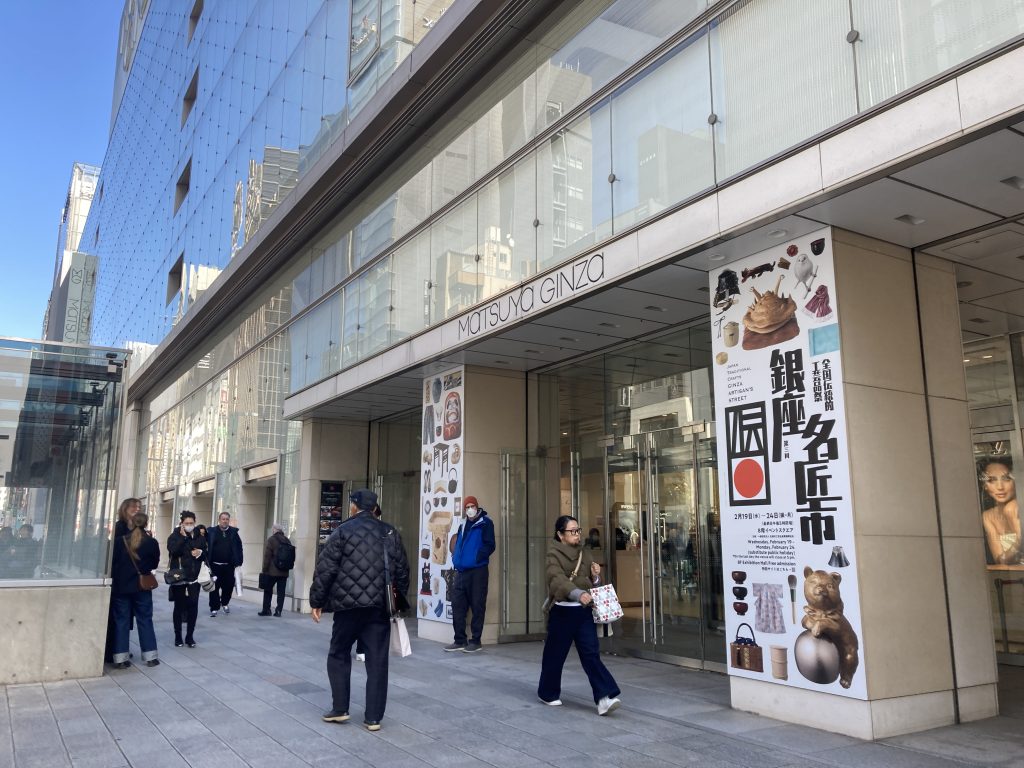
For six days this February, the heart of Tokyo’s Ginza district will transform into a living gallery of Japanese craftsmanship as Matsuya Ginza hosts the 4th Annual Japan Traditional Crafts Ginza Artisan’s Street (Ginza Meishoichi).
Running from Wednesday, February 18 to Monday, February 23, 2026, the annual event brings together master artisans and traditional crafts from approximately 90 regions across Japan, offering visitors a rare opportunity to engage directly with the people preserving the country’s centuries-old craft traditions.
Organized by the Association for the Promotion of Traditional Craft Industries, Ginza Meishoichi has become one of Japan’s most important showcases for traditional arts, uniting cultural preservation, contemporary design, and hands-on experiences under one roof. https://meishoichi.kougeihin.jp/
Held every February, Ginza Meishoichi reflects Matsuya Ginza’s long-standing commitment to craftsmanship, design, and regional collaboration. The department store’s refined aesthetic and close relationships with local producers make it a natural stage for introducing Japan’s traditional crafts to both domestic and international audiences.
In 2026, the event returns with an expanded lineup, transforming Matsuya Ginza’s 8th-floor event space into a hybrid workshop and showroom. Visitors can meet artisans face-to-face, observe time-honored techniques in action, purchase one-of-a-kind works, and directly support the next generation of Japan’s artisanal talent.
Preserving Tradition, Sharing It with the World
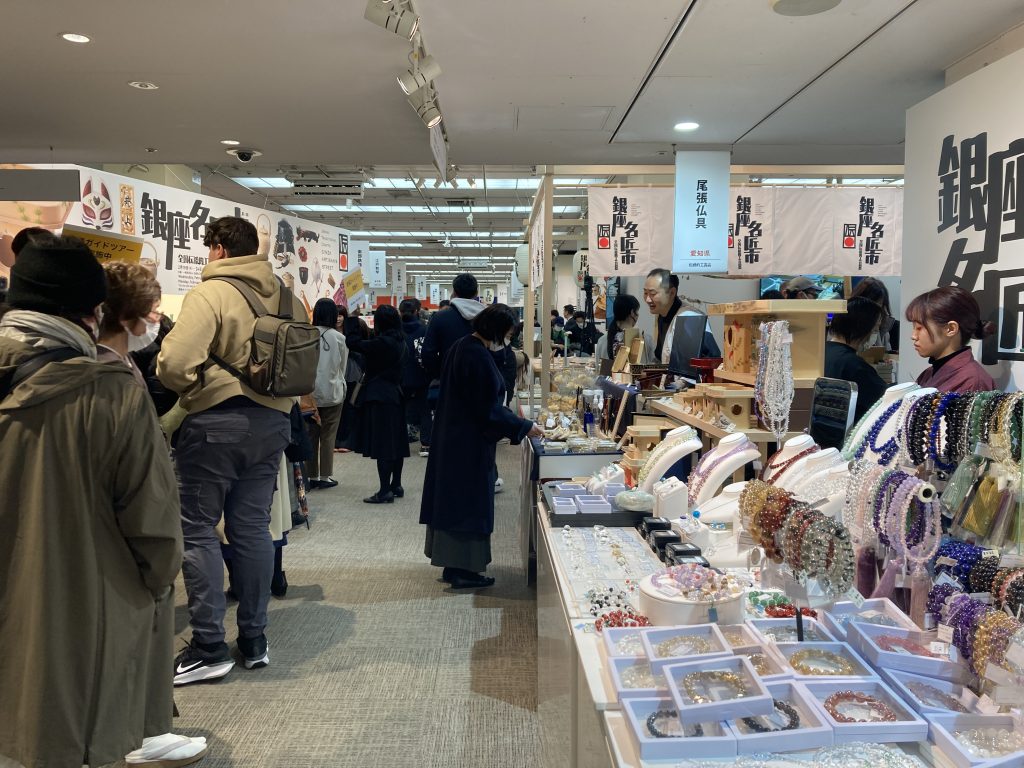
Building on last year’s success, Ginza Meishoichi 2026 will feature an even broader selection of regional folk crafts and officially designated Traditional Craft Products, recognized by Japan’s Ministry of Economy, Trade and Industry.
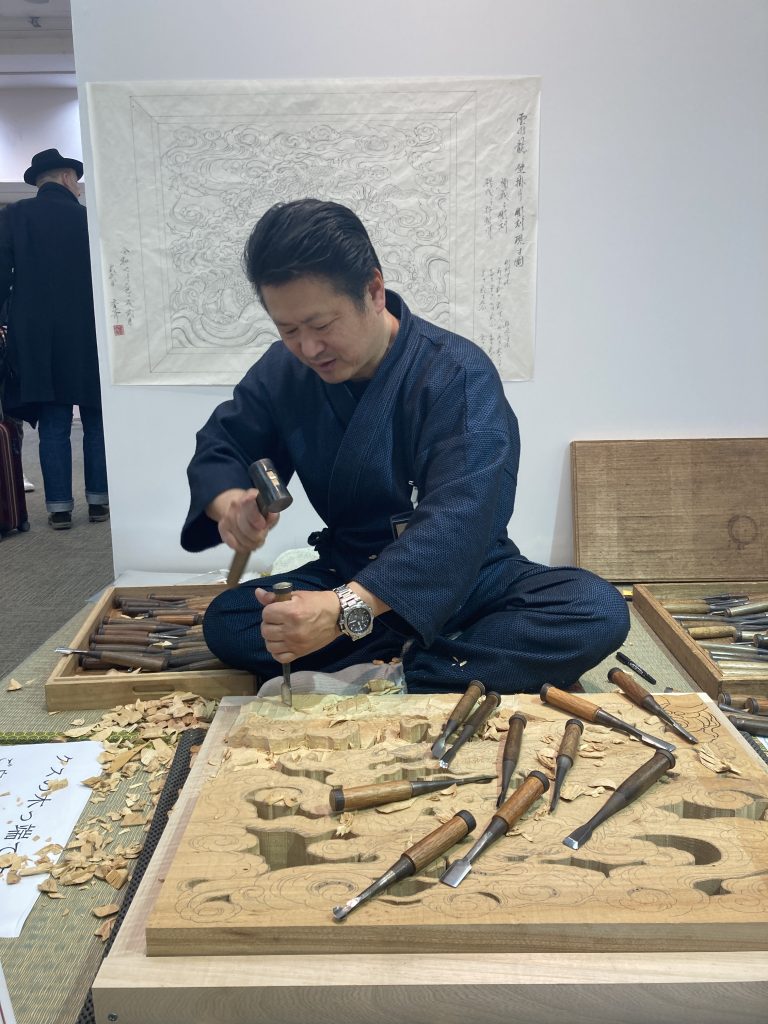
Throughout the six days, visitors can explore a diverse range of crafts from across the country while watching live demonstrations that reveal the meticulous skill behind each creation.
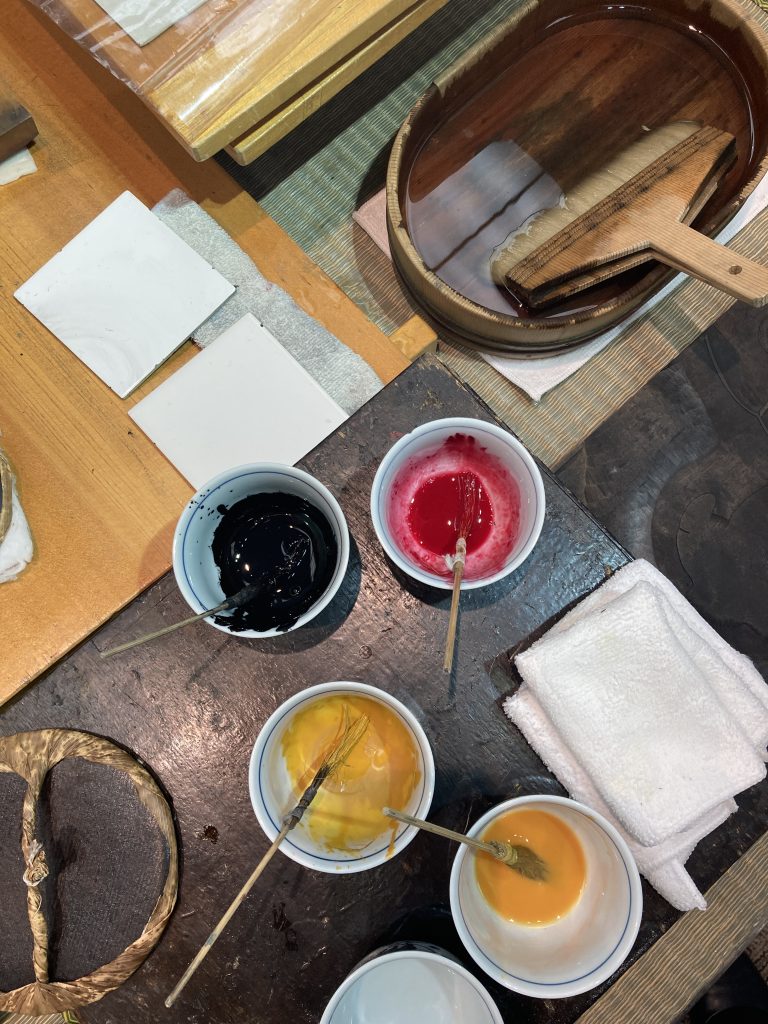
This year’s demonstrations include: Oshima tsumugi loom weaving, Arita and Imari porcelain forming and painting, Wajima lacquerware production, Kyoto hand-dyeing techniques, Traditional Japanese blacksmithing, Kokeshi doll wood turning and painting, Hakata ningyo clay doll making from Fukuoka Prefecture
One of the event’s most anticipated highlights is a rare live demonstration of Ise-shimenawa, the sacred rope-making tradition associated with Ise Jingu, one of Japan’s most significant Shinto shrines. Visitors will also encounter Ise katagami stencil dyeing, a technique dating back to the Kamakura period (1185–1333).
To enhance accessibility for overseas visitors, every exhibited product will feature a QR code linking to detailed English-language information, allowing international guests to better understand the history and craftsmanship behind each piece.
In addition to demonstrations, visitors can participate in seven hands-on workshops, available by advance reservation. Fees range from ¥1,000 to ¥8,800, depending on the activity. Workshop offerings include:
- Ceramic chopstick rest making
- Kyo-yuzen hand-dyeing
- Ouchi lacquerware painting
- Karakuri paper joint folding
- Cypress wood octagonal chopstick making
- Gilded washi postcard crafting
- Traditional stone colouring
These sessions offer a rare chance for participants to learn directly from skilled artisans and take home a piece of Japan’s craft heritage they’ve made themselves.