
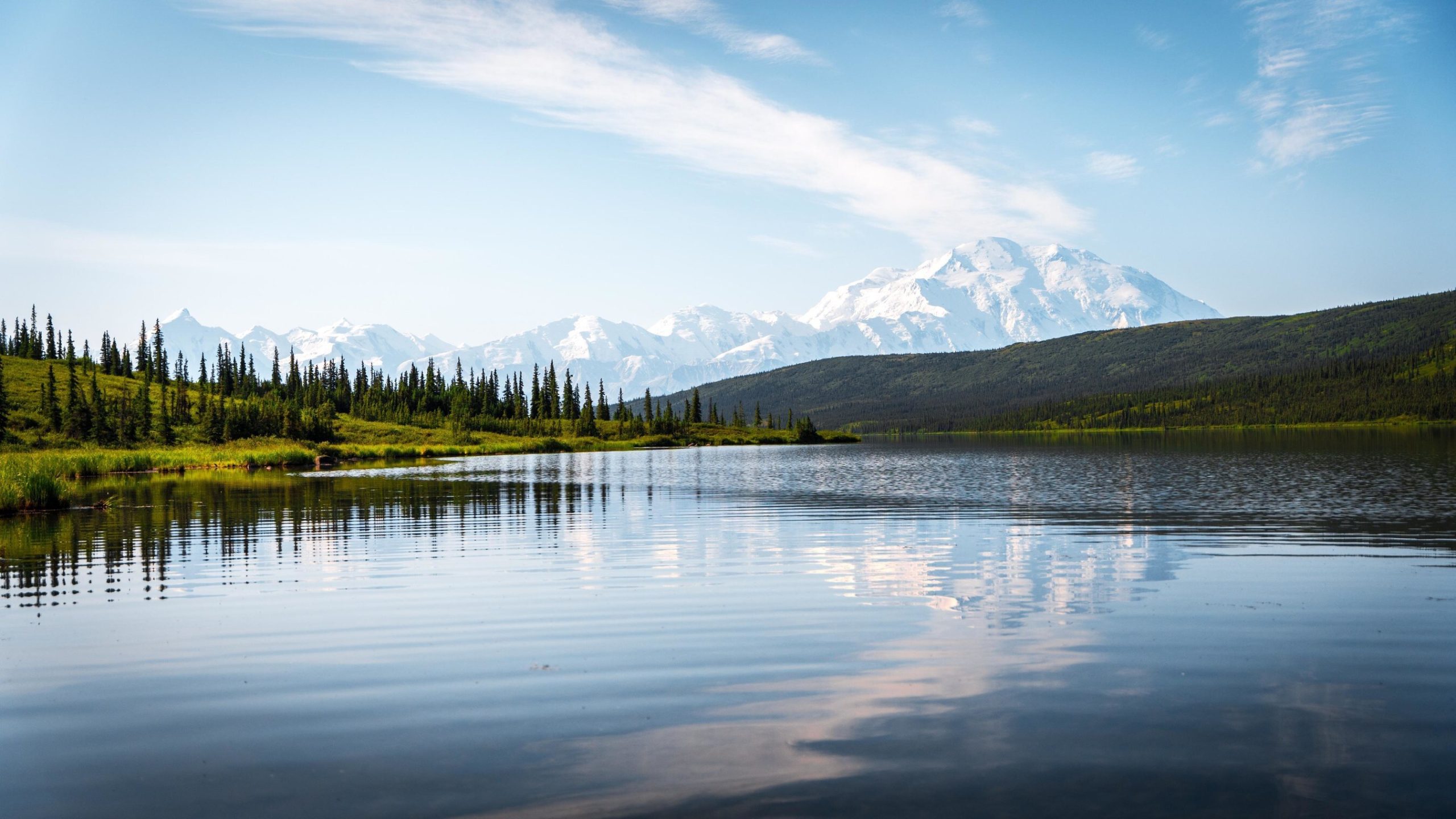
Alaska’s vast wilderness, towering glaciers and deeply rooted Indigenous traditions have long defined its appeal. But in 2026, travelers will find fresh reasons to explore the 49th state, as new experiences and limited-time opportunities reshape how visitors engage with its iconic landscapes and cultures.
From once-in-a-generation access in Denali National Park and Preserve to milestone celebrations and immersive cultural events, here’s why Alaska should be firmly on your travel radar this year according to the Alaska Travel Industry Association.
A rare window into Denali’s backcountry
For seasoned adventurers and first-time visitors alike, 2026 presents a unique opportunity in Denali National Park and Preserve. The park’s famed Park Road remains closed beyond mile 43 due to ongoing repairs, with a full reopening expected in 2027.
That makes this summer the final chance for guests staying at remote lodges like Camp Denali, Denali Backcountry Lodge and Kantishna Roadhouse to experience the park’s backcountry with minimal crowds.
Beyond Denali, Alaska boasts eight national parks more than any other state alongside a network of preserves, monuments and historic areas that underscore its reputation for untamed exploration.
Historic rail journeys through untouched landscapes
Rail travel remains one of the most scenic and in some cases, only ways to access Alaska’s remote terrain.
In Southeast Alaska, the White Pass and Yukon Route Railroad marks its 125th anniversary in 2026. Originally built during the Klondike Gold Rush, the route continues to offer dramatic excursions between Skagway and the Yukon.
Meanwhile, the Alaska Railroad spans 470 miles from Fairbanks to Seward, cutting through landscapes inaccessible by road. New itineraries for 2026 include the 11-day “Glaciers, Rails & Trails” and the six-day “Active Alaska Adventure,” blending classic rail travel with activities like heli-hiking, glacier trekking and ziplining.
Immersive Alaska Native cultural experiences
Cultural tourism takes center stage in 2026, led by major gatherings like Celebration, hosted by the Sealaska Heritage Institute. Taking place June 3–6 in Juneau, the event is one of the largest assemblies of Southeast Alaska Native peoples, honoring the traditions of the Tlingit, Haida and Tsimshian communities.
Visitors can also explore Kootéeyaa Deiyí Totem Pole Trail or engage with Indigenous-owned tourism businesses across the state from wildlife lodges in Kodiak to guided cultural tours in Anchorage, Sitka and Ketchikan.
New ways to experience Alaska’s glaciers
With more than 27,000 glaciers, Alaska offers no shortage of icy spectacle but 2026 introduces new ways to get closer than ever.
In Southcentral Alaska, Alaska Helicopter Tours has launched a Glacier Exploration experience in the Knik River Valley, just north of Anchorage. The adventure combines aerial access with on-the-ground exploration, including glacier trekking, cold-water swims and even polar plunges.
Elsewhere, glaciers can be reached via boat tours, scenic drives or guided hikes, particularly in the state’s Southeast and Southcentral regions.
Wildlife encounters at their peak
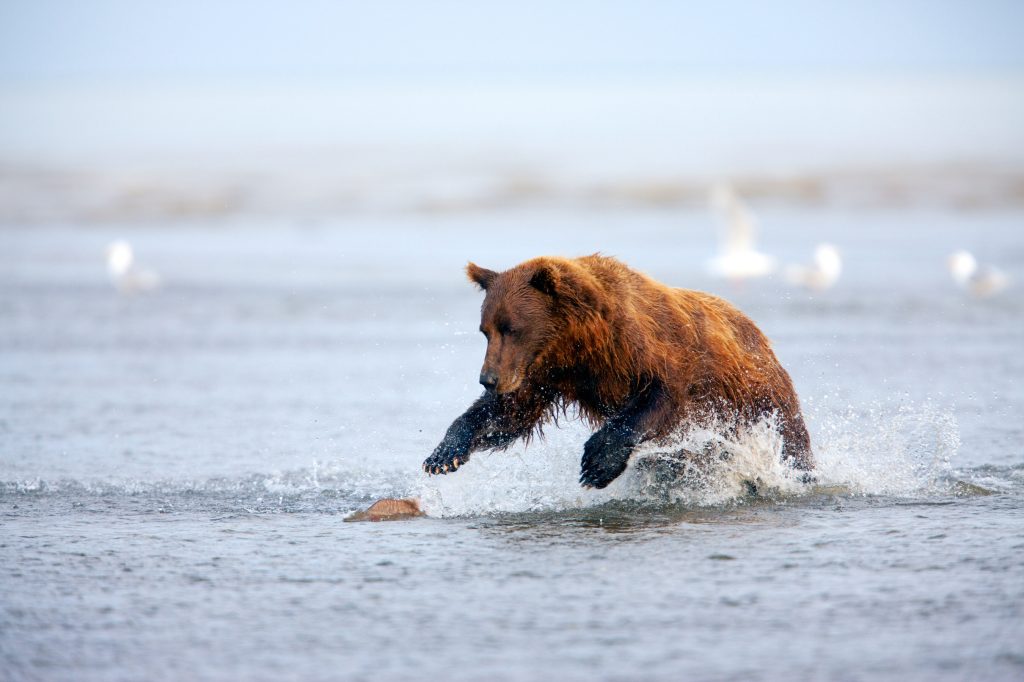
Alaska’s reputation as a wildlife haven remains unmatched, and 2026 expands opportunities for close encounters. From brown bears and moose to Dall sheep and bald eagles, the diversity is staggering both on land and at sea, where whales, sea otters and sea lions thrive.
New this year is the Migration Celebration in Haines, running May 1–3. The inaugural event blends birdwatching with cultural programming and seasonal traditions.
For marine-focused experiences, Seabird Ventures is introducing small-group eco tours in Kachemak Bay, designed to highlight seabird populations and coastal ecosystems near Homer.